
When most people think about fitness, they think about strength, weight loss, or cardio. But there’s a foundational element that often gets overlooked—mobility.
Mobility is what allows you to move freely, efficiently, and without pain. It’s what helps you bend down to tie your shoes, rotate to grab something from the back seat, swing a golf club, or lift your child without straining your back. And at the heart of improving mobility is something called functional training.
What Is Mobility?

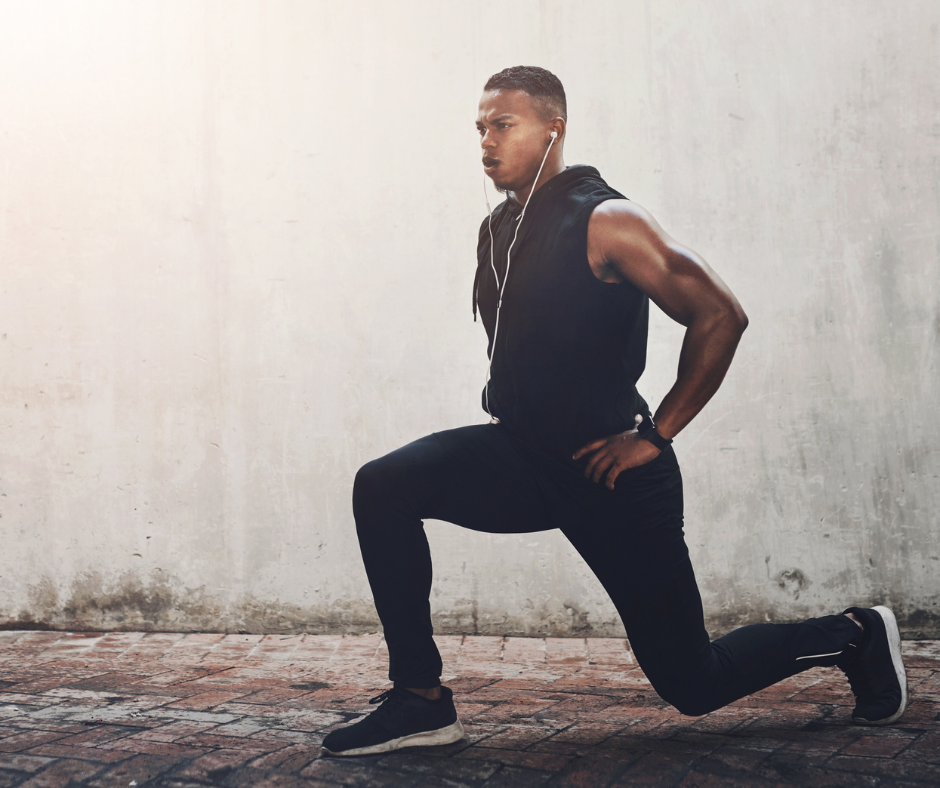
Mobility is more than just flexibility.
-
- Flexibility is the ability of a muscle to lengthen. This is often what we think of when stretching, like sitting on the ground with your legs straight and trying to touch your toes.
- Mobility is the ability of a joint to move actively through its full range of motion with strength and control.
Mobility combines:
-
- Joint range of motion
- Muscle flexibility
- Strength
- Stability
- Neuromuscular control
In other words, mobility isn’t just about how far you can move — it’s about how well you can control that movement.
Why Is Mobility So Important?


- Mobility Reduces Injury Risk
When joints don’t move properly, the body compensates. For example:
-
- Tight hips can lead to lower back pain
- Limited ankle mobility can strain the knees
- Restricted shoulder movement can cause neck tension
Over time, these compensations create wear and tear. Functional mobility training helps restore balanced movement patterns, reducing unnecessary stress on joints and tissues.
-
- Mobility Improves Strength and Performance
You can’t build strength effectively on a restricted joint.
If you try to squat with limited hip mobility, your body may:
-
- Round your lower back
- Shift weight unevenly
- Overuse certain muscles
This limits your strength potential and increases risk of injury.
When mobility improves:
-
- Squats get deeper and safer
- Pressing movements feel smoother
- Rotational movements become more powerful
Mobility creates the foundation for real, usable strength.
- Mobility Supports Healthy Aging
One of the biggest predictors of independence as we age isn’t muscle size, it’s movement quality!
Can you:
-
- Get up from the floor easily?
- Reach overhead without pain?
- Rotate your spine comfortably?
- Maintain balance while walking?
Mobility-focused functional training preserves these essential abilities. It keeps everyday tasks manageable and reduces the likelihood of falls and chronic joint stiffness.
What Is Functional Training?
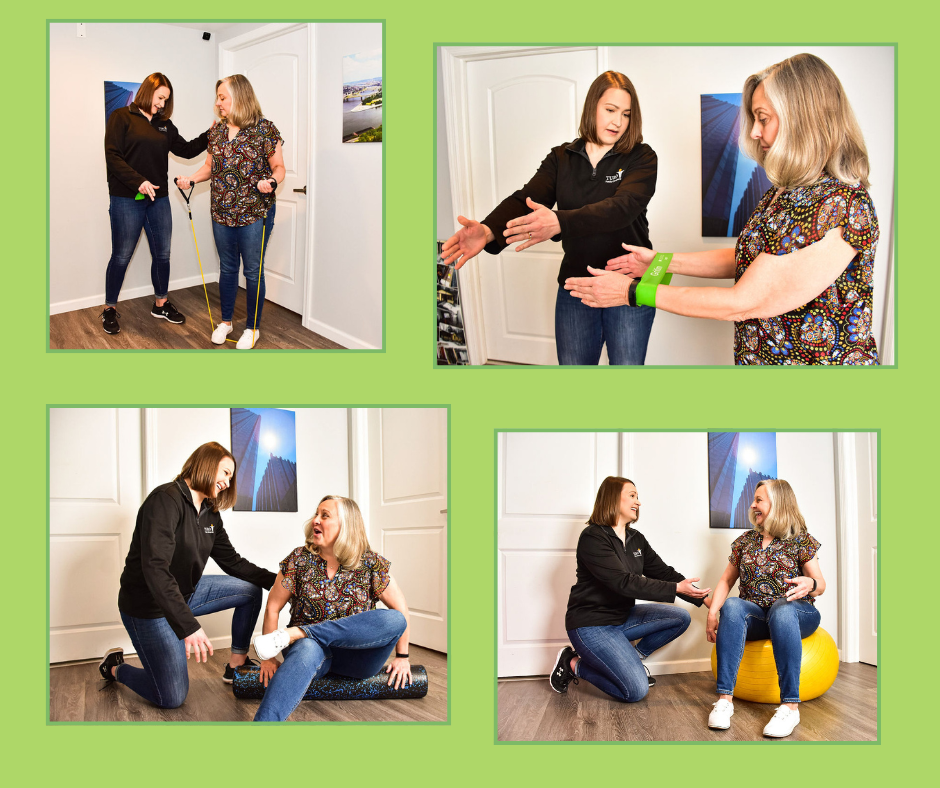
Functional training focuses on exercises that mimic real-life movement patterns rather than isolating single muscles.
Instead of:
-
- Bicep curls
- Seated leg extensions
- Machine-based movement
Functional training emphasizes:
-
- Squatting
- Lunging
- Pushing
- Pulling
- Rotating
- Carrying
- Stabilizing
These are the patterns your body uses daily (whether you think about it or not!).
The goal isn’t just to “work a muscle.” The goal is to train the body to move better as a whole, the way it is designed.
How Functional Training Improves Mobility
Functional training improves mobility in three major ways:
- It Trains Movement, Not Just Muscles
Real life doesn’t happen on a machine. It happens standing, walking, bending, and rotating.
Functional exercises:
-
- Teach your joints to move through full ranges
- Strengthen muscles in extended positions
- Improve coordination between muscle groups
This leads to mobility that is strong and usable—not just passive flexibility.
- It Builds Stability Alongside Mobility
Mobility without stability can lead to injury. For example, someone may be flexible but lack control at the end ranges of motion.
Functional training integrates:
-
- Core stability
- Joint alignment
- Balance
- Controlled tempo
This combination creates stable mobility: the ability to move joints freely and easily through a full, pain-free range of motion while maintaining control, balance, and structural integrity.
- It Reinforces Proper Movement Patterns
Poor posture and repetitive daily habits (like sitting for long periods) create movement dysfunction.
Functional training:
-
- Re-educates the body
- Restores natural patterns
- Activates underused muscles
- Reduces overcompensation
Over time, this rewires the nervous system to move more efficiently.
Common Signs You May Need More Mobility Work
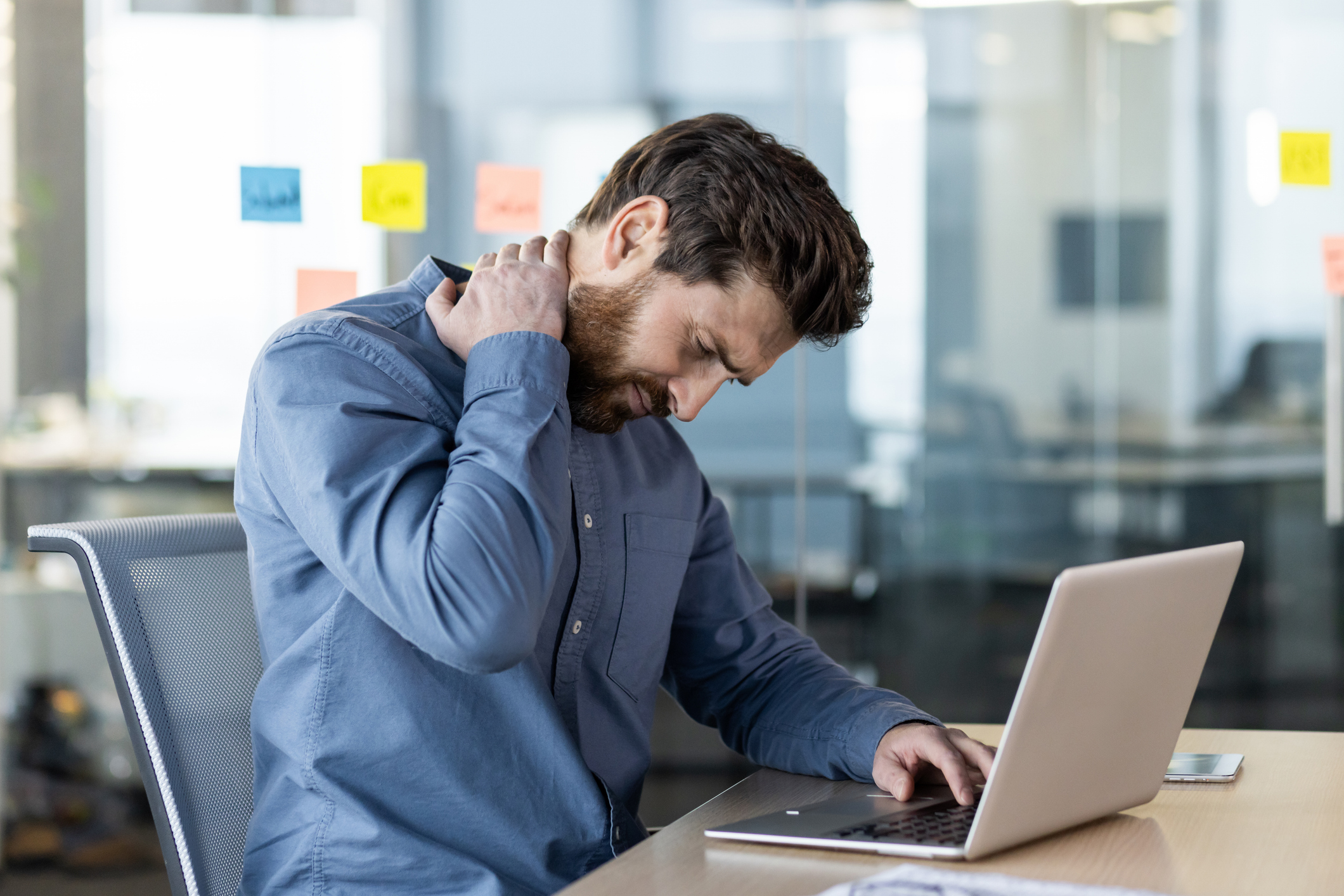

You might benefit from functional mobility training if you:
-
- Feel stiff when getting out of bed
- Experience recurring tightness in hips or shoulders
- Have lingering low back discomfort
- Struggle with balance
- Notice uneven movement patterns
- Feel “tight” even if you stretch regularly
Stretching alone often isn’t enough. Many mobility limitations come from weakness or poor control, not just muscle tightness!
Mobility Isn’t Just for Athletes
There’s a misconception that mobility work is only for high-level athletes or fitness enthusiasts.
In reality, mobility is even more important for:
-
- Desk workers
- Parents
- Older adults
- Individuals recovering from injury
- Anyone experiencing chronic stiffness
If you move during the day, mobility matters. Functional mobility training strengthens each component of our normal movement patterns so they become smooth and pain-free.
And that translates directly into real life! Everyday activities like sitting and standing, lifting groceries, picking up children, and getting in and out of a car become that much easier!
The Bigger Picture: Movement Is Medicine


Your body was designed to move.
When joints move well:
-
- Circulation improves
- Muscles activate properly
- Posture improves
- Pain decreases
- Energy increases
Functional mobility training helps restore that natural design. It’s not about extreme flexibility or complicated exercises. It’s about improving the quality of your everyday movement so your body works with you, not against you!
Final Thoughts
Strength is important. Cardio is important. But without mobility, neither can reach its full potential.
Mobility is the foundation of:
-
- Injury prevention
- Athletic performance
- Pain reduction
- Healthy aging
- Functional independence
Functional training gives you the tools to build that foundation.
If your goal is not just to exercise—but to move better, feel better, and live better—mobility should be a priority!
Because in the end, it’s not just about how strong you are. It’s about how well you move!
Angela, our Functional Training Specialist, is here to help you with your fitness journey! If you have any questions about how functional training can help you, please reach out!
Ready to schedule your first functional training session? Click here!
