
A 44-year-old male initially sought chiropractic care for left forearm and hand numbness that significantly impacted his daily life, including driving and performing tasks at work. Upon examination, a thorough assessment, including X-rays and thermal scans, revealed a subluxation contributing to nerve dysfunction. A care plan was implemented, focusing on spinal adjustments to restore proper alignment and nerve function. Within a few weeks, his symptoms resolved completely, allowing him to return to his normal activities without discomfort. Feeling better, he gradually stopped care, believing the issue was fully resolved.
Nearly a year later, the patient returned for an evaluation, reporting that he generally felt fine but wanted to ensure everything was still in good shape. Despite his lack of noticeable symptoms, the thermal scan revealed his original subluxation pattern, indicating underlying dysfunction had returned. This finding highlighted an important reality—just because symptoms are gone does not mean the root cause has been permanently corrected. Spinal misalignments can slowly reappear due to daily stressors, poor posture, or repetitive movements, often without immediate pain or discomfort. Left unaddressed, these subluxations can progress again, potentially leading to a return of symptoms or even new issues.
This case emphasizes the importance of ongoing chiropractic care, even after symptoms have resolved. Just like regular dental check-ups prevent cavities or routine exercise maintains cardiovascular health, periodic chiropractic adjustments help sustain spinal integrity and nervous system function. While initial care is crucial for symptom relief, long-term wellness requires consistent spinal maintenance. By continuing with periodic adjustments, this patient could have prevented the return of dysfunction and ensured optimal nervous system performance, supporting his overall health and quality of life.
Tracking Progress through Infrared Thermography
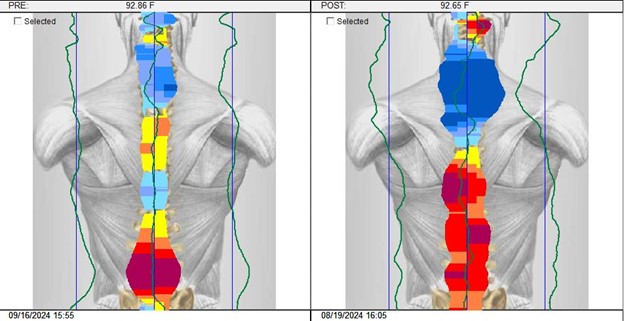

The scans above read right to left; oldest to newest. The large red and blue swings indicate dysfunction in the nervous system.
Find out if Specific Chiropractic Care Is Right For Your Family
Schedule A New Patient Evaluation Today
We are Happy to Help You Get Healthy and Stay Healthy!
